
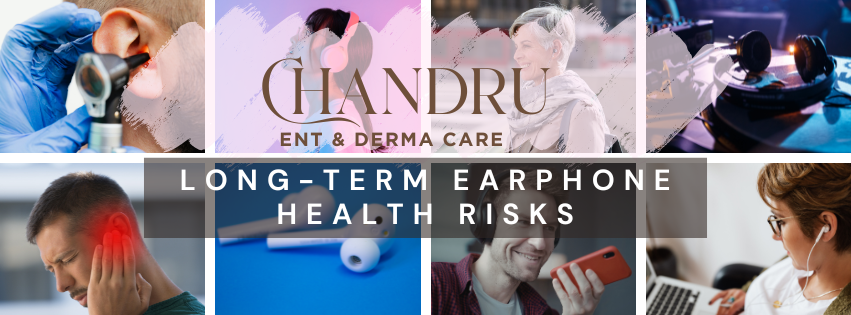
Think Before You Plug In: The Health Risks of Long-Hour Earphone Use
1. Noise-Induced Hearing Loss (NIHL)
One of the most concerning consequences of extended earphone use is Noise-Induced Hearing Loss (NIHL). The delicate hair cells within the inner ear are responsible for converting sound vibrations into signals that the brain interprets as sound. Exposure to high-volume audio over long periods can permanently damage these cells.
Research indicates that listening to sounds above 85 decibels (dB) for prolonged durations increases the risk of hearing impairment. Many personal audio devices can produce sound levels exceeding 100 dB, especially when volume settings are maximized.
Warning Signs:
- Ringing or buzzing in the ears (tinnitus)
- Difficulty understanding conversations
- Frequently increasing volume levels
- Muffled hearing after listening sessions
Unfortunately, hearing loss caused by noise exposure is often irreversible.
2. Increased Risk of Tinnitus
Tinnitus refers to the perception of ringing, buzzing, hissing, or clicking sounds in the absence of external noise. Excessive use of earphones at high volumes can overstimulate auditory pathways and contribute to tinnitus development.
Although tinnitus may initially be temporary, repeated exposure to loud sound can make symptoms persistent, affecting concentration, sleep quality, and mental well-being.
3. Ear Canal Infections and Microbial Growth
Earbuds sit directly inside the ear canal, creating a warm and humid environment that may encourage the growth of bacteria and fungi. Sharing earbuds or using unclean devices further increases infection risk.
Common symptoms include:
- Ear pain
- Itching inside the ear canal
- Redness and swelling
- Discharge from the ear
- Temporary hearing reduction
Regular cleaning of earbuds and maintaining proper ear hygiene are essential preventive measures.
4. Earwax Impaction
The ear naturally produces wax (cerumen) to protect against dust, bacteria, and foreign particles. Frequent insertion of earbuds can push earwax deeper into the canal rather than allowing it to exit naturally.
Over time, this may result in:
- Ear blockage
- Reduced hearing
- Ear discomfort
- Dizziness
- Tinnitus symptoms
Individuals experiencing recurrent earwax buildup should seek professional evaluation rather than attempting aggressive self-cleaning.
5. Ear Pain and Pressure-Related Discomfort
Wearing earbuds continuously for several hours can place pressure on the sensitive tissues of the external ear canal. Poorly fitted devices may contribute to irritation, soreness, and inflammation.
Users often report:
- Ear tenderness
- Headaches
- Pressure sensation
- Discomfort during prolonged wear
Choosing ergonomically designed earbuds and taking regular listening breaks can help reduce these issues.
6. Potential Impact on Mental and Cognitive Health
Extended headphone use may also contribute indirectly to mental fatigue. Constant audio stimulation can reduce opportunities for auditory rest and environmental awareness. Some users experience increased stress, reduced concentration, sleep disturbances, or social isolation when audio devices are used excessively throughout the day.
While earphones themselves do not directly cause psychological disorders, unhealthy listening habits may influence overall well-being.
Safe Listening Recommendations
Healthcare professionals commonly recommend the following practices:
Follow the 60/60 Rule
Listen at no more than 60% of maximum volume for no longer than 60 minutes at a time, followed by a break.
Take Listening Breaks
Allow your ears to rest for at least 5–10 minutes every hour.
Use Noise-Cancelling Devices
Noise-cancelling headphones may help users listen at lower volumes by reducing background noise.
Maintain Earbud Hygiene
Clean earbuds regularly and avoid sharing them with others.
Monitor Symptoms
Seek medical evaluation if you experience:
- Persistent ringing in the ears
- Ear pain
- Hearing difficulties
- Ear discharge
- Recurrent infections
Final Thoughts
Earphones and earbuds are valuable tools for communication and entertainment, but excessive or improper use can have long-term consequences for auditory health. The effects may develop gradually and often go unnoticed until significant damage has occurred. Practicing safe listening habits, maintaining device hygiene, and taking regular breaks can help preserve hearing and reduce the risk of preventable ear-related complications.
Remember: hearing loss is often permanent, but it is largely preventable.
 ENT Treatment Skin Care Hair Treatment Cosmetology Laser Treatments Facial Surgery
Leave a Comment