

Laser hair reduction is a US FDA-cleared, non-invasive procedure that uses the principle of selective photothermolysis to permanently reduce the activity of hair follicles. Concentrated laser energy is absorbed by the melanin (pigment) in the hair shaft and converted to heat, which damages the follicle's stem cells in the bulb and bulge regions, impairing their capacity for regrowth. Approved laser systems include diode (810 nm), Nd:YAG (1064 nm) and alexandrite (755 nm) platforms.
The Nd:YAG wavelength is particularly safe and effective for Indian (Fitzpatrick IV–VI) skin tones because its longer wavelength penetrates deeper with lower epidermal melanin absorption, significantly reducing the risk of pigmentary side effects. A complete treatment course of six to eight sessions achieves 70–90% permanent hair reduction. At Chandru ENT-Derma Care, all laser procedures are performed by the trained dermatologist using medically certified equipment.
- For hormonally driven hirsutism (PCOS), manage the underlying endocrine condition with appropriate medical therapy — this reduces treatment burden and recurrence.
- Do not wax, thread or epilate between sessions; these methods remove the hair root and reduce laser efficacy. Shaving is the only acceptable inter-session hair management method.
- Adhere to the recommended treatment schedule: sessions every four to eight weeks to target follicles during the anagen (active growth) phase.
- Avoid sun exposure for two weeks before and after each session to prevent pigmentary complications.
- Inform your dermatologist of any hormonal medications or supplements that may affect hair growth patterns.
Causes of Unwanted Hair Growth
Unwanted or excessive hair growth has several well-established medical and physiological causes.

Polycystic Ovarian Syndrome (PCOS)
The most common cause of female hirsutism in India. Elevated androgen levels stimulate terminal hair growth in androgen-sensitive follicles of the face, chin, chest and abdomen.

Androgenetic Influences
Normal male-pattern secondary sexual hair growth; many patients seek permanent reduction for comfort, hygiene or personal preference.

Idiopathic Hirsutism
Excess hair growth in women without elevated circulating androgens, attributed to increased follicular sensitivity to normal androgen levels.

Pseudofolliculitis Barbae
Chronic ingrown hairs and skin inflammation caused by regular shaving or waxing, particularly in coarse, curly hair types prevalent in the Indian population.
- Pilonidal SinusRecurrent sinus disease in the natal cleft region, aggravated by coarse hair growth. Laser hair reduction is used adjunctively to reduce recurrence after surgical management.
About the Treatment
Laser hair reduction is the current gold standard for long-term follicular reduction. Multiple sessions are required because only follicles in the active anagen growth phase respond to laser energy — typically 15–20% of follicles are in anagen at any given time. A full course of six to eight sessions spaced four to eight weeks apart achieves comprehensive targeting across the growth cycle. Annual maintenance sessions may be needed in patients with hormonally driven hair growth.
At Chandru ENT-Derma Care, the treating dermatologist selects the appropriate laser wavelength and fluence based on your skin type, hair colour and hair thickness, ensuring both safety and efficacy. Topical anaesthetic cream is available for sensitive areas upon request.
How the Procedure Is Performed
1. Consultation & Patch Test
The dermatologist assesses skin type, hair colour, density and medical history. A patch test is performed to determine optimal laser energy settings and confirm the absence of adverse reactions.
2. Pre-Session Preparation
The treatment area is shaved 24 hours before the session so that laser energy targets the sub-surface follicle rather than the surface hair shaft, maximising follicular damage while protecting the epidermis.
3. Safety Measures
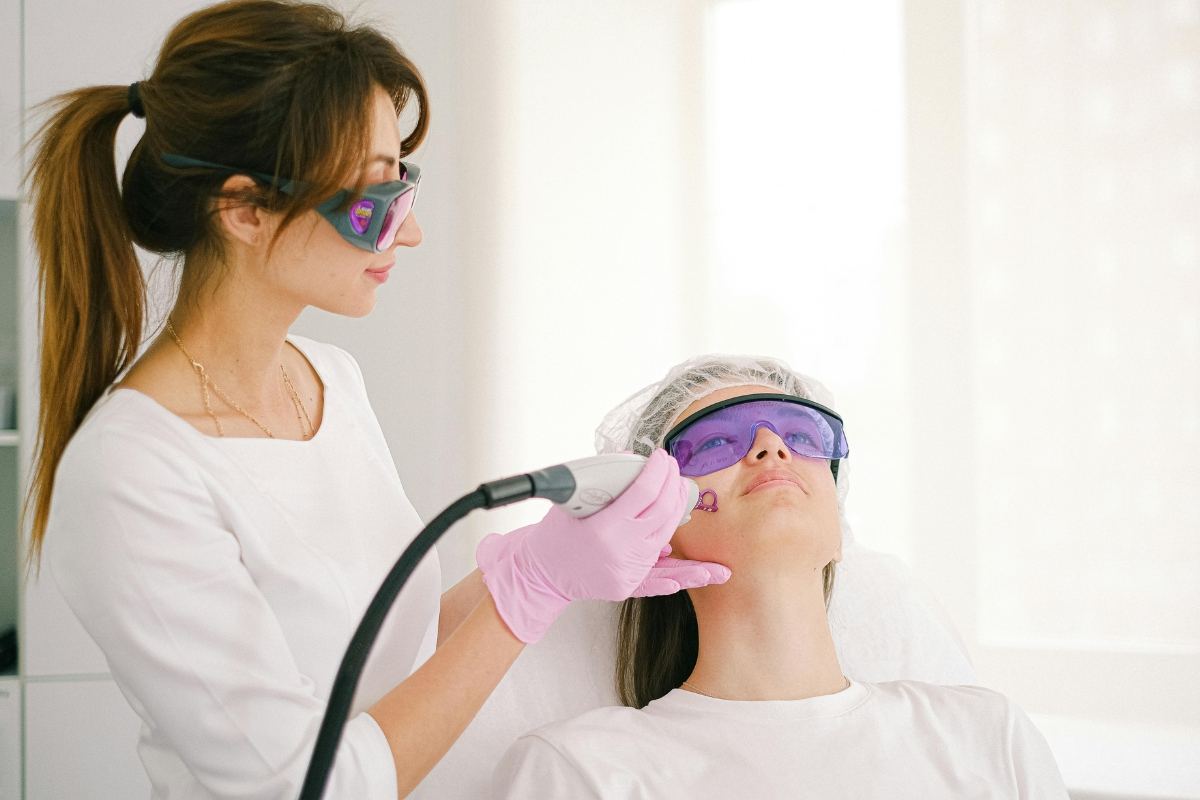
Both the patient and operator wear medically certified laser safety eyewear. A cooling gel or integrated contact cooling device is applied to the skin surface throughout the procedure.
4. Laser Application
The laser handpiece is systematically moved across the treatment area in overlapping pulses. Each pulse delivers a controlled burst of energy to the follicle. A mild warmth or rubber band-like snapping sensation is normal and expected.
- Step 5: Post-Treatment SoothingAloe vera gel or a prescribed soothing lotion is applied. Broad-spectrum SPF 50 is applied to exposed areas before you leave the clinic.
- Step 6: Session IntervalsTreated hairs shed naturally over the following seven to fourteen days. The next session is scheduled four to eight weeks later. Significant reduction is typically visible from the third session onwards.
Possible Side Effects
Side effects are generally mild and transient when the appropriate laser wavelength is used for your skin type by a trained operator.
Redness & Follicular Swelling
Expected immediately after each session; perifollicular oedema (small red dots around treated follicles) resolves within a few hours.
Transient Pigment Changes
Temporary hypo- or hyperpigmentation, more likely if sessions are too close together or if the skin is tanned; resolves spontaneously over weeks.
Paradoxical Hypertrichosis
Stimulatory hair growth reported with sub-therapeutic fluences in fine, vellus hair; managed by adjusting laser parameters.
Superficial Blistering
Occurs with incorrect parameter selection or recently tanned skin; resolves without permanent scarring when managed appropriately.
Aftercare & Between-Session Care
Consistent aftercare between sessions protects the skin and maximises the effectiveness of each treatment.
- Avoid sun exposure for at least two weeks before and after each session; apply SPF 50 daily.
- Do not wax, thread, tweeze or use depilatory creams between sessions — shaving only.
- Apply aloe vera gel or soothing cream if redness or warmth persists beyond a few hours.
- Avoid hot baths, steam rooms and strenuous exercise for 24–48 hours post-session.
- Do not apply deodorants, fragrances or exfoliating products to the treated area for 24 hours.
- Inform your dermatologist if you start or change any hormonal medication during the treatment course.
Who Can Receive This Treatment?
Laser hair reduction is suitable for most adults with unwanted hair, with treatment parameters adapted to each individual's skin and hair type.
 ENT Treatment Skin Care Hair Treatment Cosmetology Laser Treatments Facial Surgery