

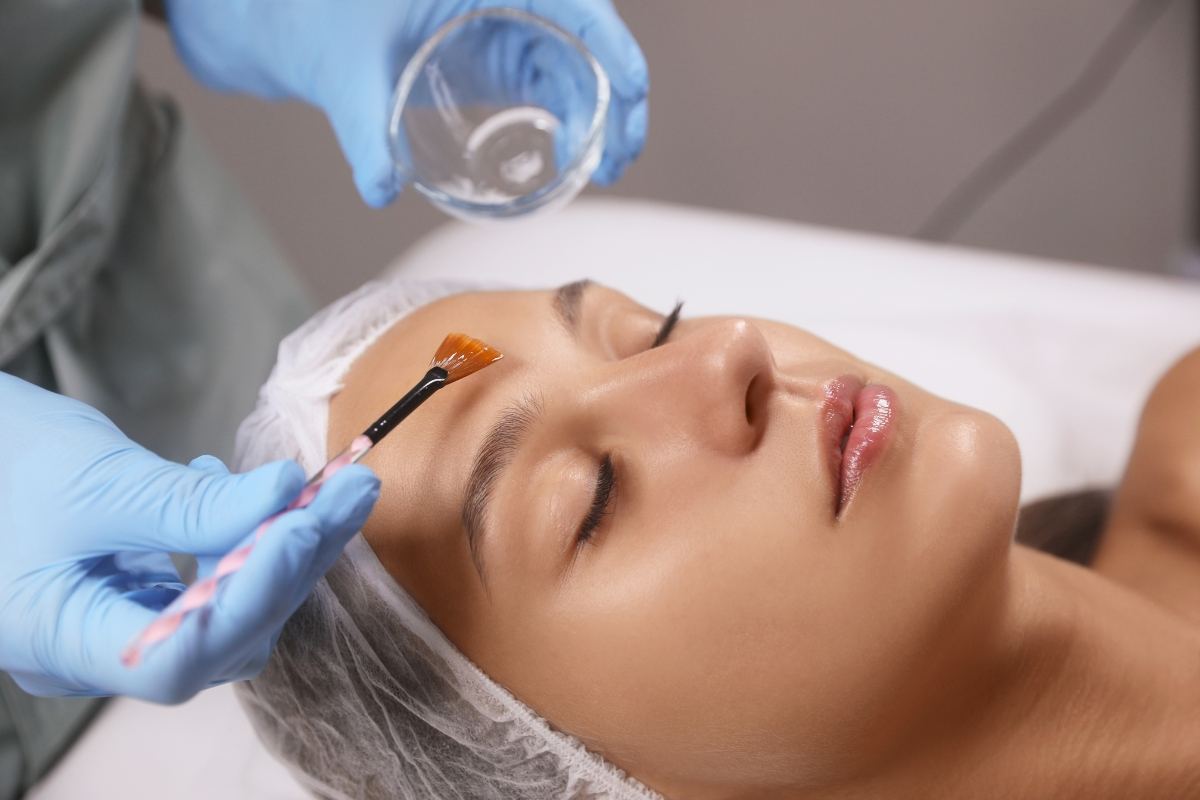
A chemical peel is a medically supervised dermatological procedure in which a chemical solution of defined concentration is applied to the skin to induce controlled exfoliation of the epidermal and, in some cases, dermal layers. The wound-healing response that follows stimulates the formation of new skin with improved texture, reduced pigmentation, fewer fine lines and a brighter complexion. Peels are classified by penetration depth — superficial, medium and deep — and commonly use agents such as glycolic acid, salicylic acid, lactic acid, mandelic acid, trichloroacetic acid (TCA) and Jessner's solution.
India has a high prevalence of post-inflammatory hyperpigmentation (PIH) and melasma, attributed to the predominantly Fitzpatrick type IV–VI skin tones in the population, making chemical peels one of the most widely indicated dermatological procedures in the country. At Chandru ENT-Derma Care, all peels are performed by Dr. Nethravathi A.R following a thorough pre-peel skin assessment and supported by a personalised aftercare protocol.
- Apply a broad-spectrum sunscreen with SPF 30 or higher (SPF 50 is preferred in Indian climatic conditions) every morning, regardless of cloud cover or indoor activity.
- Wear protective clothing, wide-brimmed hats and UV-filtering sunglasses when outdoors.
- Avoid peak sun hours (11:00 AM – 3:00 PM IST) where possible.
- Use non-comedogenic, fragrance-free skincare and cosmetic products to minimise acne-related triggers.
- Maintain a diet rich in antioxidants — vitamins C and E, beta-carotene — to counter environmental oxidative stress on the skin.
- Manage underlying hormonal conditions such as PCOS and thyroid disorders with appropriate medical supervision, as these directly influence skin pigmentation.
What Causes These Skin Concerns?
Chemical peels address a range of skin concerns, each with distinct underlying causes. Understanding the cause helps select the most appropriate peel type and depth.

Ultraviolet (UV) Radiation
Chronic sun exposure stimulates melanocyte hyperactivity, causing uneven pigmentation, solar lentigines (sun spots) and photoageing — particularly relevant in the Indian climate with high annual UV index.

Hormonal Changes
Oestrogen and progesterone fluctuations during pregnancy, while using oral contraceptives, or at menopause trigger melasma — a symmetrical facial hyperpigmentation that is highly prevalent among Indian women.

Acne Vulgaris
Active acne and its sequelae — post-inflammatory hyperpigmentation (PIH) and atrophic scars — are among the most common indications for chemical peels in the Indian population.

Ageing
Progressive decline in collagen, elastin and natural moisturising factor production results in fine lines, skin laxity, dull complexion and textural irregularities.
- Air PollutionParticulate matter and reactive oxygen species accelerate epidermal ageing and worsen pigmentary irregularities, contributing to the high demand for skin-brightening treatments in Indian urban centres.
About the Treatment
A chemical peel is customised to the individual's skin type (Fitzpatrick classification), target concern and the desired depth of treatment. Superficial peels are most widely used in India because they carry a lower risk of PIH in darker skin tones and require no recovery downtime. Medium and deep peels are reserved for specific indications and performed under careful clinical supervision.
The treating dermatologist selects the appropriate peeling agent, concentration and contact time following a thorough pre-procedure assessment. A course of four to six sessions at three- to four-weekly intervals is generally more effective than a single treatment and is the standard protocol recommended by the Indian Association of Dermatologists, Venereologists and Leprologists (IADVL).
How the Procedure Is Performed
1. Consultation & Skin Assessment
The dermatologist evaluates your skin type, active concerns and medical history. Clinical photographs are taken. Pre-peel priming agents (topical retinoids, hydroquinone or azelaic acid) may be prescribed for two to four weeks beforehand to optimise results and reduce the risk of PIH.
2. Skin Cleansing
On the day of the procedure, the face is thoroughly cleansed with a gentle, non-stripping cleanser to remove surface sebum, make-up and sunscreen.
3. Degreasing
An alcohol- or acetone-based degreaser is applied and wiped away to maximise uniform penetration of the peeling solution.
4. Application of the Chemical Agent
The peeling solution is methodically applied to the treatment area using a brush, gauze or cotton applicator. You may experience mild to moderate tingling or warmth, which typically subsides within one to two minutes.
- Step 5: NeutralisationGlycolic acid and certain other agents require neutralisation with a sodium bicarbonate solution after the appropriate contact time. Salicylic acid and TCA self-neutralise; application is halted at the clinical endpoint (frosting for TCA).
- Step 6: Post-Peel Soothing & Sun ProtectionA calming, hydrating agent (aloe vera gel, barrier cream or hyaluronic acid serum) is applied, followed by broad-spectrum SPF 50 as the final step.
- Step 7: Post-Procedure InstructionsDetailed written aftercare advice is provided before you leave the clinic. Skin peeling or flaking typically begins on days two to three and resolves by days five to seven.
Possible Side Effects
Side effects are generally mild and transient when the procedure is performed by a qualified dermatologist with appropriate pre-peel assessment.
Redness & Mild Swelling
Expected during and immediately after the peel; resolves within 12–48 hours.
Stinging & Tingling During Procedure
A normal part of the treatment; subsides within minutes of neutralisation.
Skin Flaking & Peeling (Days 2–7)
Part of the intended healing process; reflects shedding of the treated epidermal layer.
Temporary Dryness & Sun Sensitivity
Skin is more sensitive to UV during the healing phase; strict sun protection is essential.
- Post-Inflammatory HyperpigmentationRisk is higher in Fitzpatrick types V–VI; preventable with adequate pre-peel priming and post-peel sun protection.
- Herpes Simplex ReactivationPatients with a prior history of oral herpes are prescribed prophylactic antiviral therapy before medium or deep peels.
- Prolonged Redness or ScarringAssociated with deep peels or non-adherence to aftercare instructions; uncommon when treatment is clinician-supervised.
Aftercare & Managing Side Effects
Consistent aftercare is essential for optimal healing and to prevent complications.
- Apply a gentle, fragrance-free moisturiser two to three times daily throughout the peeling phase.
- Use SPF 50 broad-spectrum sunscreen every morning; reapply every two hours if outdoors.
- Do not pick, peel or scratch the skin — allow flaking to resolve naturally to prevent scarring and PIH.
- Avoid exfoliating scrubs, retinoids and other active topicals for at least one week post-peel.
- Abstain from strenuous exercise, steam rooms and swimming pools for 48 hours.
- Attend all scheduled follow-up appointments for clinical review of healing progress.
Who Can Receive This Treatment?
Chemical peels are suitable for a wide range of adults when properly selected and supervised by a qualified dermatologist.
 ENT Treatment Skin Care Hair Treatment Cosmetology Laser Treatments Facial Surgery