

Hair loss (alopecia) is one of the most prevalent dermatological concerns in India, estimated to affect approximately 90 million individuals. It encompasses a spectrum of conditions: androgenetic alopecia (pattern hair loss), alopecia areata (immune-mediated patchy loss), telogen effluvium (diffuse shedding following physiological stress) and nutritional deficiency-related hair loss.
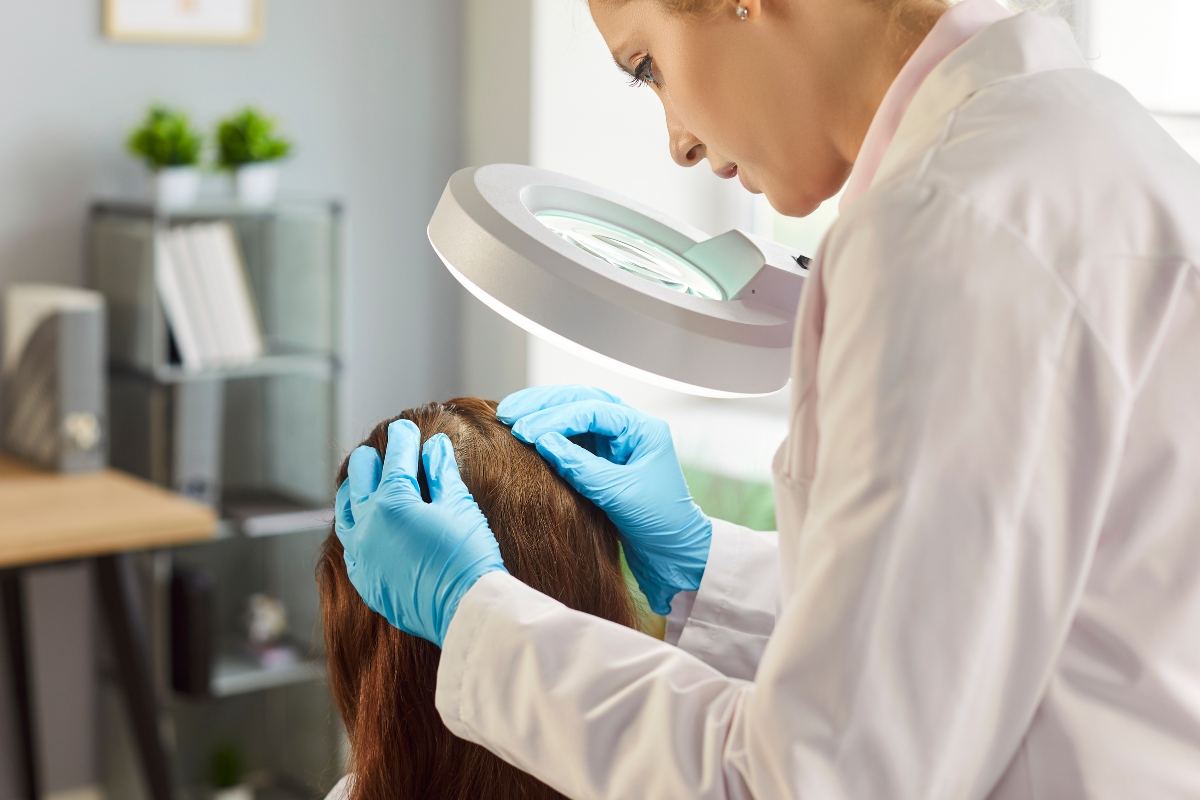
At Chandru ENT-Derma Care, a comprehensive hair restoration programme is offered by Dr. Nethravathi A.R, incorporating evidence-based modalities including Platelet-Rich Plasma (PRP) therapy, Stem Cell Therapy, Growth Factor Injections, Exosome Therapy and Hair Transplantation (FUE technique). Treatment is personalised following a thorough clinical assessment, trichoscopy and relevant laboratory investigations (ferritin, vitamin D, thyroid function, hormonal panel).
- Maintain a nutritionally balanced diet; address iron, ferritin, vitamin D and zinc deficiencies through dietary modification or supplementation under medical guidance.
- Seek early dermatological assessment at the first signs of hair thinning — early intervention produces significantly better outcomes than delayed treatment.
- Manage systemic conditions (thyroid disorders, PCOS, anaemia) with appropriate specialist care.
- Practise gentle hair care: avoid tight hairstyles (traction alopecia), excessive heat styling and harsh chemical treatments.
- Avoid sudden caloric restriction or crash diets, which trigger telogen effluvium.
- Manage psychological stress through regular exercise, adequate sleep and evidence-based stress reduction techniques.
Causes of Hair Loss
Hair loss has multiple well-established medical causes. Accurate diagnosis is essential before selecting a treatment modality.

Androgenetic Alopecia
Driven by dihydrotestosterone (DHT), a testosterone metabolite that binds to androgen receptors in genetically susceptible hair follicles, causing progressive miniaturisation and eventual follicle dormancy. The most common cause in both males and females.

Alopecia Areata
An autoimmune condition in which T-lymphocytes target the hair follicle, causing patchy, circular or diffuse hair loss. Affects approximately 2% of the global population; stress is a common trigger.

Telogen Effluvium
Triggered by physiological stressors — post-partum shedding, major surgery, rapid weight loss, severe emotional stress, nutritional deficiencies or COVID-19 infection — causing excessive numbers of follicles to prematurely enter the resting (telogen) phase.

Nutritional Deficiencies
Iron, ferritin, vitamin D, zinc and biotin deficiency are correctable contributors to hair loss, particularly prevalent in the Indian population given common vegetarian and vegan dietary patterns.
- Hormonal ImbalancesPCOS, hypothyroidism and hyperthyroidism are frequent contributors to hair loss in women and should be investigated and managed in conjunction with hair loss treatment.
- Scalp DisordersSeborrhoeic dermatitis, scalp psoriasis and tinea capitis (fungal infection) cause inflammatory hair loss and require primary treatment of the underlying scalp condition.
About the Treatments
PRP (Platelet-Rich Plasma) Therapy: The patient's blood is drawn, centrifuged using a two-spin protocol to concentrate platelets and growth factors (PDGF, VEGF, EGF, IGF-1), and injected into the scalp. These growth factors promote follicular vascularisation and stimulate transition to the anagen (active growth) phase. A course of four to six monthly sessions is standard, followed by maintenance every six months.
Stem Cell Therapy & Growth Factor Injections: Uses concentrated biologics derived from the patient's own cells or from validated clinical-grade preparations to promote follicular regeneration.
Exosome Therapy: Next-generation signalling molecules from mesenchymal stem cell cultures are injected into the scalp, delivering a high concentration of regenerative growth factors that stimulate dormant follicles.
Hair Transplantation (FUE): Follicular Unit Excision involves harvesting individual follicular units from the DHT-resistant donor area (typically the occipital scalp) using a micro-punch device, and implanting them into areas of thinning or baldness. FUE leaves no linear scar and produces permanent, natural-looking results.
How the Procedures Are Performed
1. Clinical Assessment & Investigations
Trichoscopy, clinical grading (Norwood scale for males; Ludwig scale for females) and relevant blood tests (ferritin, vitamin D, thyroid, hormonal panel) are completed before any treatment is planned.
2. PRP: Blood Draw & Centrifugation
Approximately 30–40 ml of blood is drawn from the patient's forearm and centrifuged in two stages to separate and concentrate the platelet-rich plasma.
3. PRP: Scalp Preparation & Injection
The scalp is cleansed and a local or topical anaesthetic is applied. PRP is systematically injected across the scalp using fine mesotherapy needles at defined depths and intervals.
4. FUE: Pre-Operative Planning
Donor area mapping, recipient hairline design and density planning are completed. Pre-operative blood tests are obtained. The procedure is performed under local anaesthesia on the day of surgery.
- Step 5: FUE: Extraction & ImplantationIndividual follicular units are extracted from the donor area using a micro-punch (0.8–1.0 mm diameter), sorted and kept in a preservation solution. Recipient sites are created at the natural angle and direction of hair growth, and grafts are carefully implanted.
- Step 6: Post-Procedure ReviewA follow-up review is scheduled at one week (for wound assessment), one month and three months. Significant new hair growth from FUE is typically visible from month four to six.
Possible Side Effects
Side effects vary by treatment modality and are generally mild and temporary.
PRP — Scalp Soreness & Swelling
Mild tenderness, bruising or swelling at injection sites; resolves within 24–48 hours.
PRP — Temporary Shedding
A brief increase in hair shedding in the weeks following the first one or two sessions is an expected part of the hair cycle activation; new growth follows.
FUE — Post-Operative Swelling
Forehead and scalp swelling in the first 3–5 days post-surgery; managed with head elevation and prescribed medication.
FUE — Graft Scab Formation
Small crusts at graft sites; resolve within 7–10 days with the prescribed saline spray regimen.
- FUE — Shock Loss (Telogen Phase)Transplanted hairs shed in weeks 2–8 post-operatively before entering the anagen growth phase — this is an expected and normal phenomenon.
- FUE — FolliculitisInflammation around transplanted grafts; managed with topical or oral antibiotics.
Aftercare Instructions
Post-procedure care differs between PRP and FUE transplantation.
- Post-PRP: Avoid washing the scalp for 24 hours; refrain from strenuous exercise and direct sun exposure for 48 hours.
- Post-FUE Transplant: Follow the surgeon's detailed written protocol — gentle saline spray, specific shampoo regime and restricted physical activity for two weeks.
- Avoid swimming, direct sun exposure to the scalp and helmet or hat use for four weeks post-FUE.
- Continue prescribed medical therapy (topical minoxidil and/or oral finasteride where appropriate) alongside procedural treatment for optimal outcomes.
- Maintain all scheduled follow-up appointments to monitor graft survival, new growth and treatment response.
Who Can Receive This Treatment?
Treatment eligibility is determined following clinical assessment and relevant investigations.
 ENT Treatment Skin Care Hair Treatment Cosmetology Laser Treatments Facial Surgery