


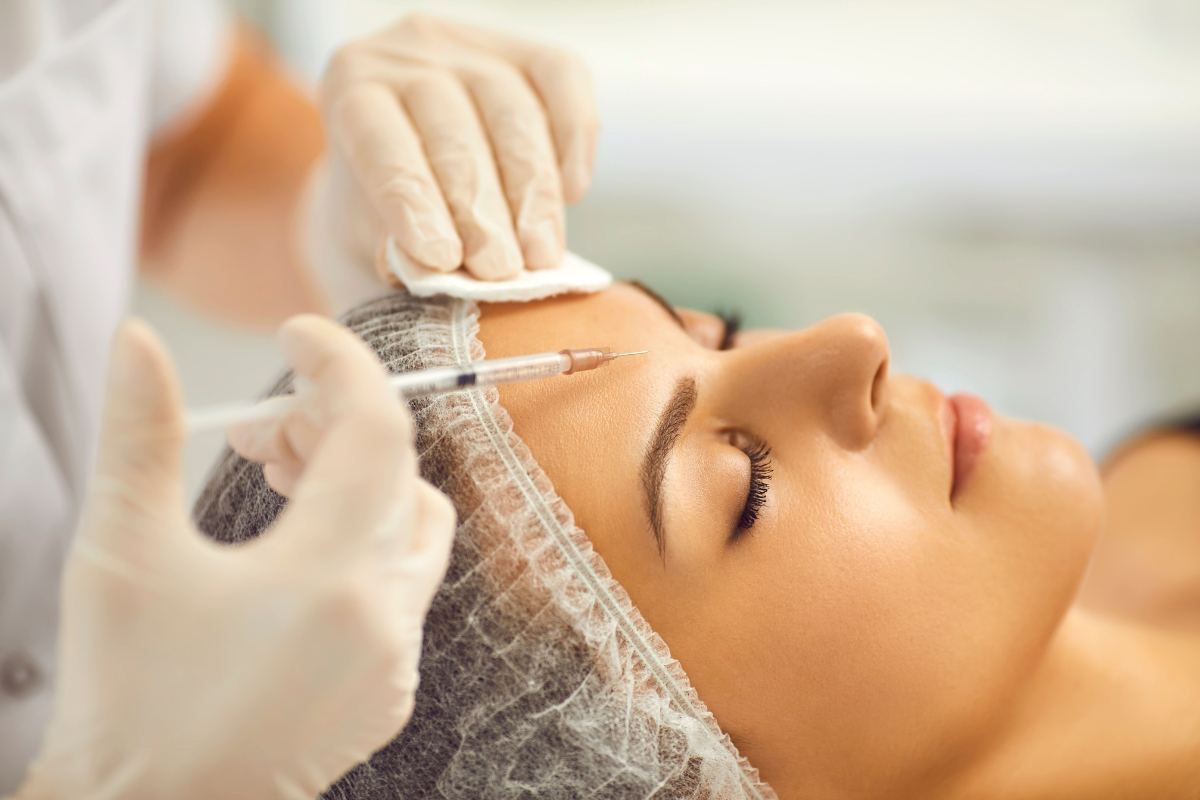
Dermal fillers are injectable implant devices used to restore lost facial volume, smooth deep static folds, enhance facial contours and improve skin hydration. The most widely used and clinically validated agents are cross-linked hyaluronic acid (HA) gels — biocompatible, biodegradable and reversible using the enzyme hyaluronidase. Hyaluronic acid is a naturally occurring glycosaminoglycan present in the skin's extracellular matrix and is responsible for retaining moisture and providing structural support.
CE-marked and US FDA-approved HA fillers are used at Chandru ENT-Derma Care. Common treatment areas include nasolabial folds (smile lines), marionette lines, cheeks, tear troughs, lips, chin and jawline. Results are visible immediately and typically last 9–18 months, depending on the product formulation, anatomical location and individual metabolism. All filler procedures are performed exclusively by the trained dermatologist.
- Use broad-spectrum SPF 30+ sunscreen daily — the single most evidence-supported intervention to slow photoageing and collagen breakdown.
- Avoid smoking; tobacco accelerates collagen crosslinking and microvascular damage to the dermis.
- Limit alcohol consumption, which dehydrates and depletes skin collagen.
- Maintain adequate hydration and a diet rich in vitamin C, zinc and omega-3 fatty acids to support collagen synthesis.
- Incorporate evidence-supported topical retinoids and antioxidant serums into your skincare routine from your late twenties.
Causes of Facial Volume Loss
Facial ageing is a multi-dimensional process. Understanding its causes clarifies the role dermal fillers play in restoration.

Age-Related Volume Loss
After the age of 25–30, facial fat compartments progressively diminish, bone density reduces and endogenous hyaluronic acid content declines, leading to hollowing, deepened folds and a sunken appearance.

Collagen & Elastin Decline
Progressive reduction in dermal collagen (approximately 1% per year after age 25) and elastin diminishes skin support, contributing to static lines and skin laxity.

Genetic Predisposition
Thin lips, flat cheeks or a recessed chin may be constitutionally determined and are sought for aesthetic enhancement independent of ageing.

Environmental & Lifestyle Factors
Chronic UV exposure, smoking and poor nutrition accelerate collagen degradation and compound age-related facial volume loss.
About the Treatment
The treating dermatologist conducts a detailed facial analysis to identify volume-deficient areas and plan an individualised treatment. Hyaluronic acid fillers of varying rheological properties — cohesivity, elasticity and lift capacity — are selected based on the treatment zone: thicker, more cohesive gels for deep structural support (cheeks, jawline); thinner, softer formulations for superficial lines, lips and under-eye hollowing.
At Chandru ENT-Derma Care, a conservative, natural-looking result is the guiding principle. The goal is restoration of a refreshed, rested appearance — not an altered one. A follow-up review is always scheduled two weeks after treatment for assessment and any fine-tuning.
How the Procedure Is Performed
1. Consultation & Facial Mapping
The dermatologist conducts a full facial assessment in upright and resting positions. The treatment plan, expected outcomes, duration and limitations are discussed transparently. Clinical photographs are taken.
2. Medical Review & Consent
Medical history, allergy history and current medications are reviewed. Written informed consent is obtained. Contraindications are excluded.
3. Topical Anaesthesia
Topical anaesthetic cream is applied to the treatment area 15–30 minutes before injection. Most HA fillers also contain lidocaine, which provides anaesthesia during the injection itself.
4. Antiseptic Preparation
The treatment area is cleansed thoroughly with an antiseptic solution before injection.
- Step 5: Filler InjectionThe filler is administered using a fine-gauge needle or, for lower-risk areas, a blunt-tip cannula. Cannulas reduce bruising risk particularly in the lips, tear troughs and cheeks.
- Step 6: Moulding & AssessmentThe injected filler is gently moulded to achieve the desired contour. The patient is assessed in an upright position to evaluate symmetry and aesthetic result.
- Step 7: Ice Application & DischargeIce packs are applied to reduce immediate swelling and bruising. You are observed briefly before discharge with written aftercare instructions.
Possible Side Effects
Dermal fillers have a well-established safety profile when administered by a trained medical professional using approved products.
Swelling, Redness & Tenderness
Expected at injection sites; typically resolves within 24–72 hours.
Bruising
Resolves within 7–10 days; arnica topical gel or tablets may hasten resolution.
Transient Lumps or Asymmetry
Usually resolve spontaneously within days; gentle massage may help. Review at two weeks for assessment.
Tyndall Effect
Bluish discolouration from superficially placed HA filler, particularly in thin under-eye skin; preventable with correct injection depth; treatable with hyaluronidase.
- Nodule FormationPalpable firm areas; managed effectively with hyaluronidase enzyme injection.
- Vascular OcclusionThe most serious potential risk — inadvertent injection into or compression of a facial artery. Requires immediate treatment with hyaluronidase. A medical emergency kit is maintained at the clinic. Report any unusual pain, skin colour changes or vision changes immediately.
Aftercare Instructions
The first 48 hours after filler treatment are the most important for a smooth recovery and optimal result.
- Apply a clean ice pack gently to the treated area for 10–15 minutes every hour during the first few hours.
- Sleep with the head elevated on the first night post-treatment.
- Avoid vigorous massage, extreme facial expressions or manipulation of treated areas for 24 hours.
- Refrain from strenuous exercise, alcohol, hot environments (saunas, steam rooms) and facial treatments for 48 hours.
- Attend your two-week follow-up review for clinical assessment and any fine-tuning.
- Contact the clinic immediately if you experience unusual pain, blanching or colour changes of the skin, or any change in vision after the procedure.
Who Can Receive This Treatment?
Dermal fillers are suitable for healthy adults seeking natural volume restoration or aesthetic enhancement of facial features.
 ENT Treatment Skin Care Hair Treatment Cosmetology Laser Treatments Facial Surgery