

Acne vulgaris is a chronic inflammatory disorder of the pilosebaceous unit (hair follicle and sebaceous gland). It is the most common dermatological condition globally and highly prevalent in India, affecting an estimated 85% of individuals between the ages of 12 and 25, with increasing adult-onset acne reported in women. India's tropical climate, dietary patterns and rising pollution levels contribute to its high burden.
Acne is classified by the Indian Association of Dermatologists, Venereologists and Leprologists (IADVL) — in alignment with international consensus — as mild (comedonal/papulopustular), moderate (papulopustular with small nodules) and severe (nodulo-cystic). At Chandru ENT-Derma Care, Dr. Nethravathi A.R provides a comprehensive approach combining medically supervised prescription therapy with in-clinic procedures including chemical peels, comedone extraction and laser therapy.
- Use gentle, non-comedogenic, oil-free skincare and cosmetic products; check labels for 'non-comedogenic' or 'dermatologist tested'.
- Cleanse the face twice daily with a mild salicylic acid cleanser or gentle soap-free formulation; avoid over-washing, which disrupts the skin barrier.
- Adopt a low-glycaemic diet; reduce consumption of refined carbohydrates, sugary beverages and high-fat dairy products where possible.
- Change pillow covers frequently; avoid touching or resting the face on hands.
- Seek early medical consultation — early intervention with appropriate prescription therapy is the most effective method of preventing permanent acne scarring.
- Manage underlying hormonal disorders (PCOS, thyroid) with the appropriate specialist to address the root hormonal cause.
Causes of Acne
Acne arises from the interplay of four primary pathological mechanisms within the pilosebaceous unit.

Follicular Hyperkeratosis
Abnormal shedding of keratinocytes within the follicular canal leads to microcomedone formation — the precursor lesion of all acne subtypes.

Excess Sebum Production
Androgen-mediated hyperactivity of sebaceous glands, particularly pronounced during puberty and hormonal fluctuations (PCOS, pregnancy, pre-menstrual), provides the substrate for follicular occlusion.

Cutibacterium acnes (C. acnes)
This anaerobic bacterium colonises the plugged pilosebaceous unit and triggers a potent inflammatory cascade by activating toll-like receptors on follicular keratinocytes.

Inflammation
Both innate and adaptive immune responses drive the transition from non-inflammatory comedones to papules, pustules, nodules and cysts.
- Hormonal Fluctuations & PCOSPre-menstrual, PCOS-related and androgenic hormone surges are key drivers in adolescents and adult women; acne is often a presenting feature of undiagnosed PCOS.
- Diet & EnvironmentEvidence supports an association between high-glycaemic index foods and dairy consumption with acne exacerbation in susceptible individuals. High humidity (relevant to the Indian climate) and occlusive cosmetics also contribute.
About the Treatment
Treatment is stratified by acne grade. Mild acne is managed with evidence-based topical agents: benzoyl peroxide (2.5–10%), topical retinoids (adapalene, tretinoin), azelaic acid (15–20%) and topical antibiotics (clindamycin, erythromycin — always in combination with benzoyl peroxide to limit resistance). Moderate acne requires combination topical therapy plus short-course oral antibiotics (doxycycline, azithromycin) prescribed for a maximum of 12 weeks to limit antibiotic resistance.
Severe or recalcitrant acne may require oral isotretinoin — the most effective oral therapy for acne, listed as a Schedule H1 prescription drug in India. It is dispensed exclusively under strict medical supervision with mandatory monitoring of liver function, lipid profile and, for women of child-bearing age, pregnancy test protocols. In-clinic procedures (chemical peels, comedone extraction, blue light phototherapy) complement and enhance medical therapy.
How In-Clinic Sessions Are Conducted
1. Dermatological Assessment & Grading
Clinical grading of acne type and severity, clinical photographs and a review of current skincare, diet and medications are completed at each visit.
2. Comedone Extraction
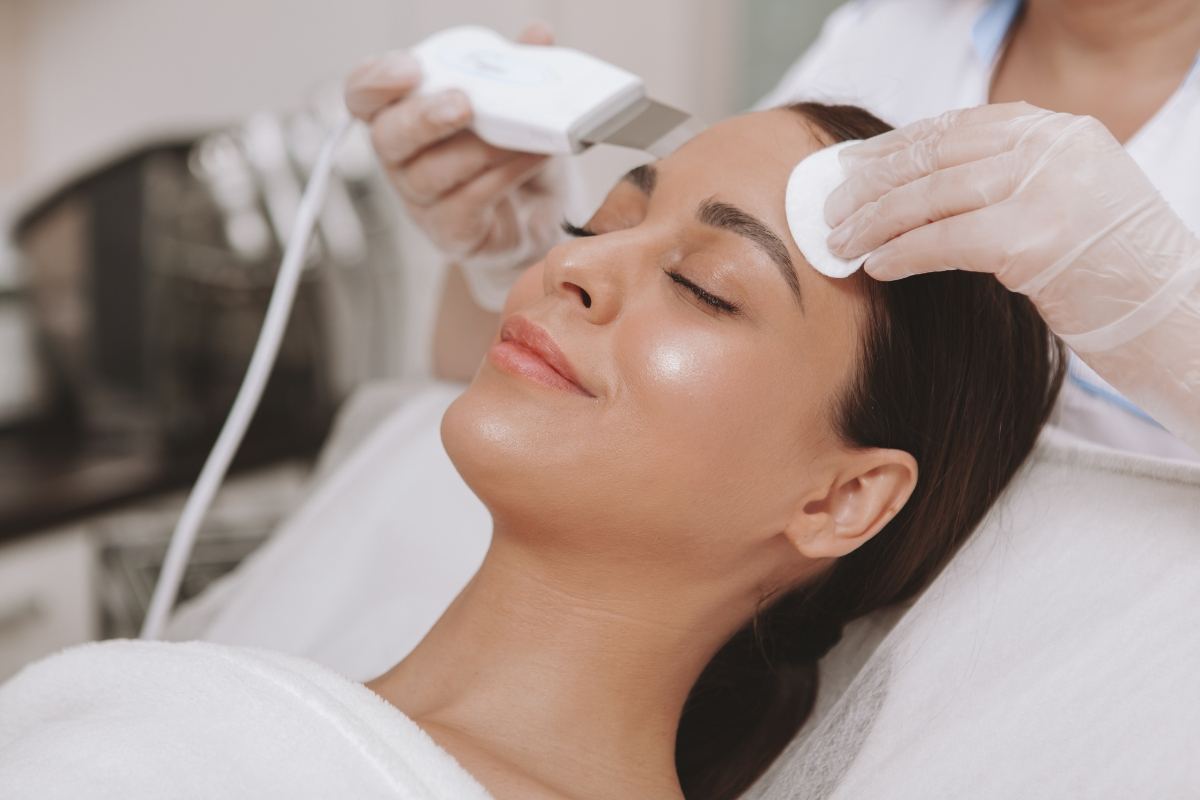
Under aseptic conditions, the dermatologist uses a sterile comedone extractor or fine-gauge needle to carefully express mature blackheads and whiteheads, reducing lesion load and improving penetration of topical agents.
3. Chemical Peel (Adjunctive)
A superficial salicylic acid (15–30%) or glycolic acid peel is applied where clinically appropriate to reduce sebum, target C. acnes, loosen comedones and address post-acne pigmentation.
4. Blue Light / Photodynamic Therapy (PDT)
Where indicated, photodynamic therapy using a photosensitiser (aminolaevulinic acid) followed by blue/red light activation directly destroys C. acnes and reduces sebaceous gland activity in moderate to severe inflammatory acne.
- Step 5: Prescription Review & Follow-UpTopical and systemic prescriptions are reviewed and adjusted based on treatment response. For patients on oral isotretinoin, mandatory laboratory monitoring (LFTs, lipid profile, pregnancy test where applicable) is completed at each follow-up.
Possible Side Effects of Acne Treatments
Side effects depend on the specific treatment modality prescribed by the dermatologist.
Topical Retinoids — Initial Purging
Temporary worsening of breakouts, dryness and peeling in the first 4–6 weeks of use; subsides with continued use and correct application technique.
Oral Antibiotics — GI Upset
Nausea and gastrointestinal discomfort with doxycycline; taking with food minimises this. Antibiotic courses are limited to 12 weeks maximum.
Isotretinoin — Dryness
Dryness of lips, nasal mucosa, skin and eyes is expected with isotretinoin therapy; managed with emollient lip balm, nasal saline drops and preservative-free eye drops.
Isotretinoin — Liver & Lipid Changes
Reversible elevation of liver enzymes and serum lipids; detected by mandatory monthly monitoring and managed by dose adjustment if needed.
- Isotretinoin — Mood ChangesPatients and families are advised to monitor for mood changes during therapy and report promptly; a benefit-risk discussion is conducted before prescribing.
- Isotretinoin — TeratogenicityIsotretinoin is absolutely contraindicated in pregnancy. Two negative pregnancy tests are required before initiation, and effective contraception is mandatory for the duration of treatment and one month after cessation.
Aftercare & Ongoing Monitoring
Consistent follow-up and adherence to the prescribed regimen are essential for achieving clear skin and preventing scarring.
- Take all prescribed medications for the full recommended course; do not discontinue without consulting your dermatologist.
- Apply SPF 50 sunscreen every morning without exception — retinoids, oral antibiotics and acne-prone skin are all more sensitive to UV.
- Moisturise daily with a non-comedogenic, fragrance-free moisturiser to counter treatment-related skin dryness.
- Attend all scheduled follow-up consultations for treatment response monitoring and mandatory laboratory tests (for patients on isotretinoin).
- Do not self-prescribe or extend antibiotic courses — misuse of antibiotics contributes to C. acnes resistance.
Who Can Receive This Treatment?
Acne treatment is tailored to age, acne grade and individual medical history.
 ENT Treatment Skin Care Hair Treatment Cosmetology Laser Treatments Facial Surgery