

Laser scar treatment employs advanced laser technology to remodel dermal architecture, reduce scar visibility and improve skin texture and colour. The most commonly used platforms are fractional CO₂ (10,600 nm) and fractional Erbium:YAG (2940 nm) for ablative resurfacing, and Q-switched or picosecond lasers for pigmented marks. Fractional lasers create arrays of controlled micro-thermal zones of injury that trigger the wound-healing cascade, driving collagen remodelling and new collagen synthesis (neocollagenesis) without ablating the entire skin surface.
Non-ablative platforms (e.g., Nd:YAG 1064 nm) heat deep dermal collagen without disrupting the skin surface, offering progressive improvement with minimal downtime. At Chandru ENT-Derma Care, scar treatment is planned by Dr. Nethravathi A.R following a structured assessment of scar type, morphology, depth and skin tone, with a personalised multi-session protocol.
- Treat active acne promptly and effectively; cystic acne that is left untreated is the most common preventable cause of severe scarring.
- Never pick, squeeze or manipulate acne lesions — this dramatically increases both PIH and scar formation.
- Keep wounds clean, moist (with petroleum-based dressings) and covered during healing to optimise wound closure and reduce fibrosis.
- Apply silicone gel sheeting or topical silicone cream on fresh scars once epithelialisation is complete, to reduce hypertrophic scar formation.
- Apply SPF 50 over healing wounds to prevent post-inflammatory hyperpigmentation.
- Seek early dermatological assessment for keloid or hypertrophic scars; early intervention significantly improves long-term outcomes.
Causes of Scarring
Scars form as a result of the skin's normal wound-healing process following injury to the dermis. The nature of the causative event determines scar type and depth.

Acne Vulgaris
Post-inflammatory scarring (rolling, boxcar and icepick types) is the leading indication for laser scar treatment. India has one of the highest global burdens of acne scarring, driven by late or inadequate acne management.

Traumatic Injury
Lacerations, abrasions and contusions that heal with fibrotic collagen deposition produce visible raised or depressed scars.

Surgical Procedures
Post-operative scars, particularly those in cosmetically sensitive areas, may benefit from laser remodelling once fully healed.

Burns
Mature burn scars cause both functional (contracture) and aesthetic concerns; laser therapy is used alongside other scar management modalities.
- Chickenpox (Varicella)Pitted atrophic scars left by deep varicella lesions are prevalent in the Indian adult population and respond well to fractional laser resurfacing.
- Stretch Marks (Striae Distensae)Caused by rapid growth, pregnancy, weight fluctuation or systemic corticosteroid use; laser therapy improves skin texture and pigmentation of mature striae.
About the Treatment
The laser modality and parameters are selected based on scar subtype: ablative fractional CO₂ for deeper atrophic scars; non-ablative fractional for mild to moderate scarring with minimal downtime; Q-switched or picosecond lasers for post-inflammatory pigmentation. Multiple sessions — typically three to six — spaced four to eight weeks apart are planned.
In some cases, combination approaches yield superior outcomes: laser combined with microneedling with radiofrequency (MNRF), subcision for tethered rolling scars, or dermal filler augmentation for deeply depressed scars. The treatment plan is reviewed and adjusted at each visit based on the skin's response.
How the Procedure Is Performed
1. Pre-Treatment Assessment
Scar subtype, depth and skin type are documented clinically. Active acne must be adequately controlled before laser treatment is commenced. Clinical photographs are taken.
2. Pre-Numbing
Topical anaesthetic cream (lidocaine/prilocaine combination) is applied under occlusion for 30–45 minutes before the session to minimise procedural discomfort.
3. Skin Cleansing
The numbing agent and any topical products are removed with an antiseptic wipe before the laser is applied.
4. Laser Application
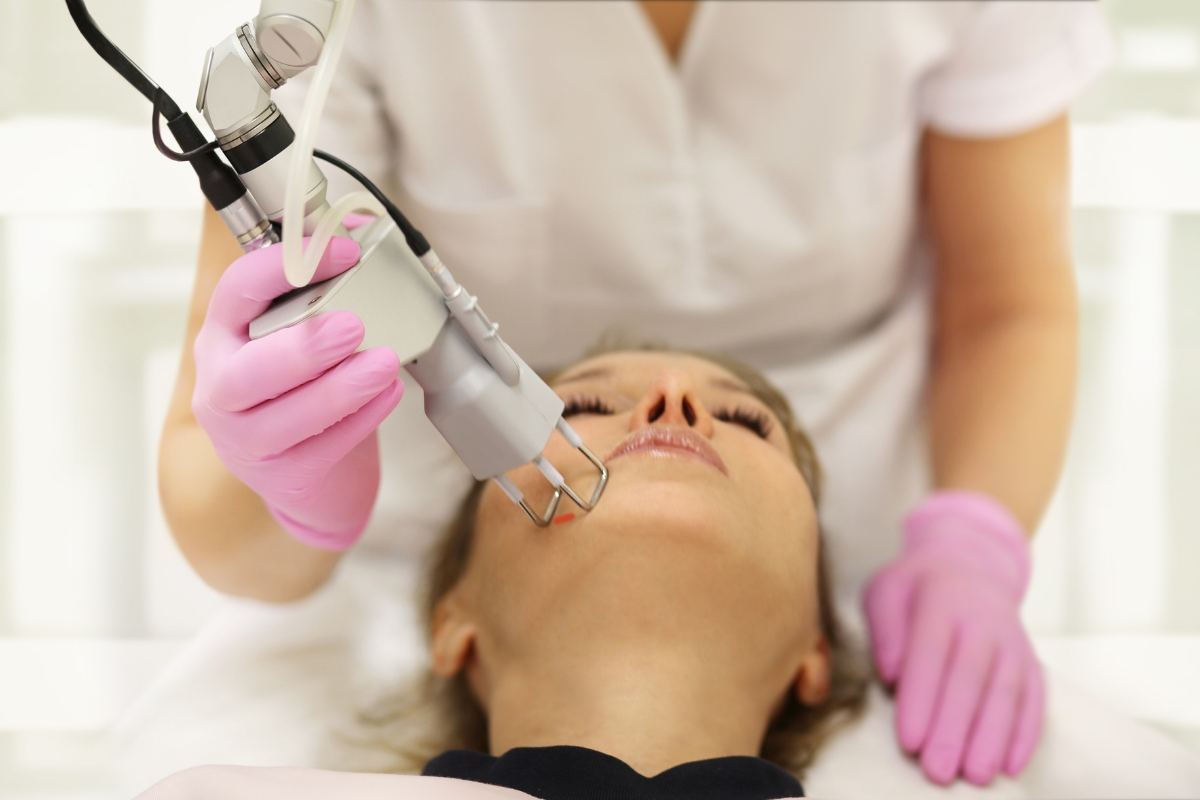
The laser handpiece delivers precise energy to the treatment zone in calibrated, overlapping passes. The procedure typically takes 20–45 minutes depending on the area treated.
- Step 5: Immediate Post-CareA healing ointment (petrolatum-based barrier cream) or a collagen cooling mask is applied immediately after the session to soothe the treated skin.
- Step 6: Clinical Observation & DischargeYou remain in the clinic for 15–20 minutes for observation. Detailed written aftercare and a personalised post-laser skincare protocol are provided before discharge.
Possible Side Effects
Side effects vary with the laser modality chosen and typically resolve with proper aftercare.
Redness, Swelling & Warmth
Expected immediately post-session; resolves within 2–5 days for ablative lasers, or within hours for non-ablative treatments.
Crusting & Flaking
Occurs during the healing phase with ablative lasers (days 3–7); do not remove crusts manually.
Post-Inflammatory Hyperpigmentation
More common in Fitzpatrick skin types IV–VI; preventable with appropriate skin type assessment, pre-treatment priming and strict post-laser sun protection.
Prolonged Redness (Erythema)
May persist 4–8 weeks with deeper ablative sessions; managed with topical calming agents and sun avoidance.
- InfectionRisk is minimised by strict aseptic technique and proper post-procedure wound care.
- Textural Change or ScarringAssociated with infection, non-adherence to aftercare, or aggressive parameters in unsuitable patients.
Aftercare & Wound Care
Meticulous post-procedure care is critical for healing and for achieving the best possible outcome.
- Apply prescribed healing ointment or petroleum jelly to the treated area three to four times daily until re-epithelialisation is complete (typically 5–7 days for ablative treatments).
- Keep the area clean and moist; avoid using soap directly on the treatment site during the initial healing phase.
- Do not pick or remove crusts — allow them to separate and fall away naturally.
- Apply SPF 50 broad-spectrum sunscreen daily and avoid direct sun exposure for at least four weeks post-treatment.
- Avoid retinoids, AHAs, BHAs and exfoliants for two to four weeks after the session.
- If oral isotretinoin has been used, a minimum six-month washout period is required before any ablative laser procedure.
Who Can Receive This Treatment?
Laser scar treatment is suitable for most patients with post-acne, traumatic or surgical scars, subject to a clinical assessment.
 ENT Treatment Skin Care Hair Treatment Cosmetology Laser Treatments Facial Surgery