


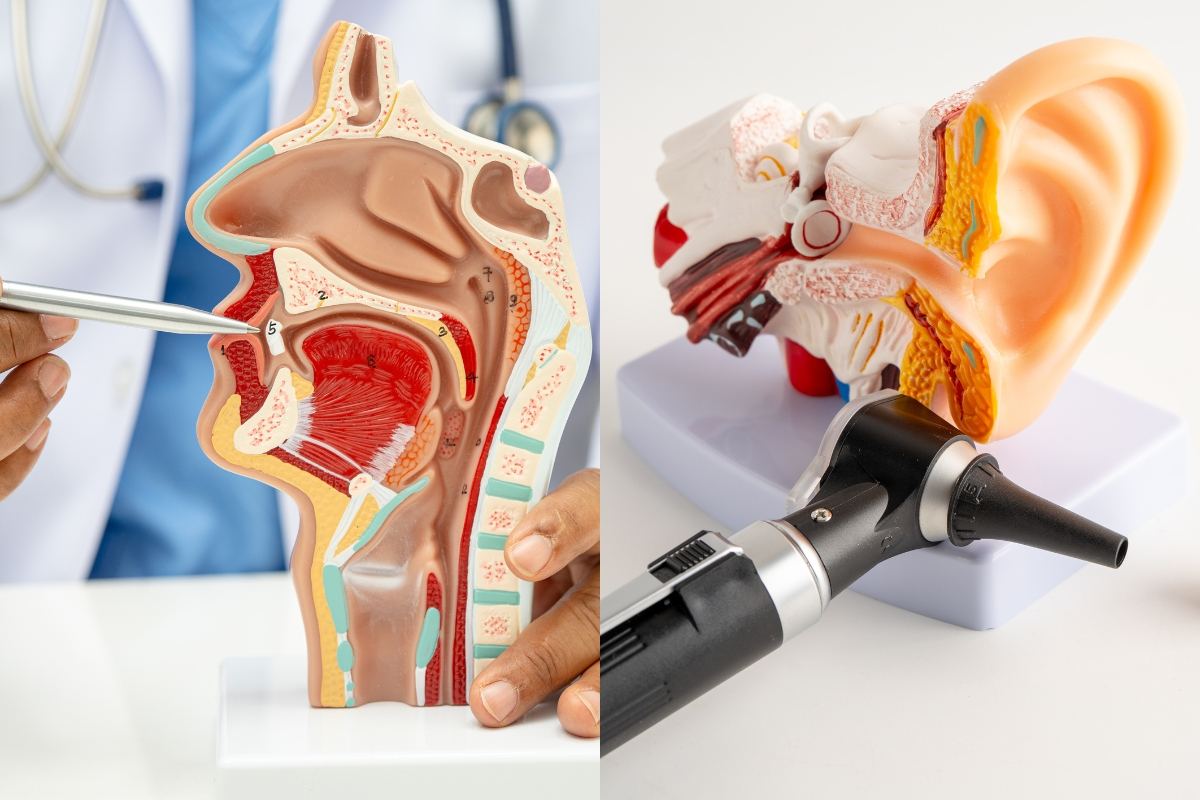
The ENT (Ear, Nose and Throat) and Head & Neck Surgery department at Chandru ENT-Derma Care is led by Dr. Chethan Kumar U.P — MBBS, DLO, MS ENT, Fellow in Rhinoplasty (South Korea) — with over 22 years of clinical and surgical experience. The department provides comprehensive medical and surgical management of disorders affecting the ear, nose, throat, larynx and related head and neck structures.
Conditions are evaluated using clinical examination, diagnostic nasal and laryngeal endoscopy, audiometry and relevant imaging (CT/MRI, where indicated). Surgical procedures are performed in the clinic's fully equipped day-care operating unit under local anaesthesia, sedation or general anaesthesia, as appropriate to the procedure.
- Practise consistent hand hygiene to reduce transmission of upper respiratory viral and bacterial infections.
- Avoid exposure to known allergens; use HEPA air purifiers in high-pollution environments.
- Manage seasonal allergies with antihistamines and intranasal corticosteroids under medical supervision — uncontrolled rhinitis predisposes to sinusitis and middle ear dysfunction.
- Seek prompt treatment of ear and throat infections to prevent complications such as mastoiditis, hearing loss, peritonsillar abscess or chronic otitis media.
- Protect hearing: use ear defenders (rated for the noise level) in noisy occupational and recreational settings; observe the WHO's 60/60 rule for personal audio devices.
- Never insert cotton buds, hairpins or other objects into the ear canal; this risks tympanic membrane perforation and wax impaction.
ENT Conditions & Their Causes
ENT disorders span four main sub-specialty areas. Below is an overview of the most commonly treated conditions and their principal causes.

Ear — Infections & Hearing Loss
Acute and chronic otitis media (middle ear infection) is the most common ENT condition in children. Sensorineural hearing loss in adults is commonly caused by ageing (presbycusis), noise exposure or ototoxic medications. Eardrum perforations may result from chronic infection or barotrauma.

Nose — Sinusitis & Allergic Rhinitis
Chronic sinusitis, often associated with deviated nasal septum (DNS) or nasal polyps, is prevalent in India's urban environments. Allergic rhinitis affects an estimated 20–30% of the urban Indian population, driven by dust mites, pollen and air pollution.

Throat & Larynx — Tonsillitis & Voice Disorders
Recurrent bacterial tonsillitis (typically Streptococcal) is common in children and young adults. Vocal cord nodules and laryngopharyngeal reflux are frequent causes of hoarseness and voice change in adults.

Paediatric ENT — Adenoid & Tonsillar Disease
Adenoid hypertrophy and recurrent tonsillitis in children (ages 3–12) contribute to obstructive sleep-disordered breathing, recurrent ear infections (via Eustachian tube dysfunction) and impaired school performance.
- Environmental & Infective CausesAir pollution, dust, mould spores and seasonal allergens are significant ENT triggers in Indian cities. Bacterial and viral upper respiratory infections remain the most common cause of acute ENT presentations.
Treatments & Procedures Offered
Medical management includes antibiotics, antifungals, antihistamines, intranasal corticosteroids, proton pump inhibitors (for laryngopharyngeal reflux), decongestants and saline irrigation.
Surgical procedures performed at the clinic include: Functional Endoscopic Sinus Surgery (FESS) for chronic sinusitis and nasal polyposis; Septoplasty with or without turbinoplasty for DNS and turbinate hypertrophy; Tonsillectomy and Adenoidectomy for recurrent tonsillitis and obstructive adenotonsillar disease; Myringoplasty (eardrum repair) for tympanic membrane perforations; Grommet (ventilation tube) insertion for chronic middle ear effusion ('glue ear'); Microlaryngoscopy for vocal cord lesions; and Ear wax removal under microscope guidance.
What to Expect at Your ENT Appointment
1. Clinical History
A detailed history of your symptoms, duration, aggravating factors and past ENT problems is taken.
2. Ear, Nose & Throat Examination
Dr. Chethan Kumar performs a thorough clinical examination including otoscopy, anterior rhinoscopy and oropharyngeal examination.
3. Diagnostic Endoscopy
Flexible or rigid nasal endoscopy and laryngoscopy are performed where indicated, enabling direct visualisation of the nasal passages, sinuses, vocal cords and larynx.
4. Investigations
Audiometry, tympanometry, allergy testing or imaging (CT scan) may be arranged as appropriate. On-site audiometry and laboratory facilities are available at the clinic.
- Step 5: Diagnosis & Treatment PlanA diagnosis and individualised management plan — medical or surgical — is discussed in detail. All surgical procedures, risks, benefits and recovery timelines are explained thoroughly.
- Step 6: Surgery (Where Required)Day-care surgery is performed under appropriate anaesthesia. Written post-operative instructions and a follow-up appointment are provided before discharge.
Post-Operative Considerations
The side effects listed below relate primarily to common ENT surgical procedures.
Post-Operative Pain & Swelling
Managed with prescribed analgesics; resolves within 1–2 weeks depending on the procedure.
Temporary Voice Change
Normal after tonsillectomy or laryngeal procedures; resolves within a few weeks.
Nasal Crusting (Post-FESS)
Temporary crusting and mild bleeding in the nasal cavity post-FESS; managed with saline nasal sprays and regular post-operative nasal toilet.
Post-Tonsillectomy Haemorrhage
Bleeding within 7–10 days post-tonsillectomy affects fewer than 2% of patients; requires prompt medical attention.
- General Anaesthesia EffectsNausea, sore throat and grogginess are very common after general anaesthesia; self-limiting and managed with anti-emetics and adequate hydration.
Post-Operative Care
Specific post-operative instructions are provided in writing for each procedure.
- Follow all dietary and activity restrictions as outlined in your discharge instructions.
- Attend all scheduled post-operative wound and cavity review appointments.
- Report any significant bleeding, fever above 38.5°C, difficulty breathing or worsening pain immediately to the clinic.
- For FESS patients: use prescribed saline nasal sprays and follow the nasal toilet protocol exactly as instructed to prevent adhesions.
- For tonsillectomy patients: maintain adequate fluid intake and a soft diet for 10–14 days post-operatively.
Who Can Receive ENT Treatment?
ENT care at Chandru ENT-Derma Care is available to patients of all ages.
 ENT Treatment Skin Care Hair Treatment Cosmetology Laser Treatments Facial Surgery