
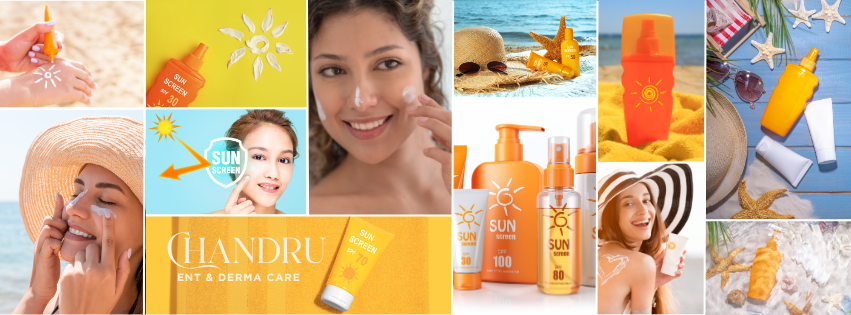
Why Sunscreen Is So Important
The sun emits ultraviolet (UV) radiation that damages the skin at a cellular level. Over time, repeated exposure can lead to:
- Sunburn and tanning
- Dark spots and pigmentation
- Early wrinkles and fine lines
- Loss of skin elasticity
- Uneven skin tone
- Premature aging
- Increased risk of skin cancer
Many people spend years trying to reverse skin damage without realizing that consistent sunscreen use could have prevented much of it in the first place.
Healthy skin is protected skin.
Understanding UVA and UVB Rays
Not all sun rays affect the skin in the same way.
UVA Rays
These penetrate deep into the skin and are mainly responsible for:
- Premature aging
- Wrinkles
- Pigmentation
- Collagen damage
UVB Rays
These affect the outer layer of the skin and cause:
- Sunburn
- Redness
- Skin irritation
This is why dermatologists always recommend a broad-spectrum sunscreen, which protects against both UVA and UVB rays.
What SPF Actually Means
One of the biggest misconceptions is that higher SPF means you can stay in the sun all day.
That is not true.
SPF 30≈97% UVB protectionSPF\ 30 \approx 97\%\ UVB\ protectionSPF 30≈97% UVB protection
SPF 50≈98% UVB protectionSPF\ 50 \approx 98\%\ UVB\ protectionSPF 50≈98% UVB protection
The difference between SPF 30 and SPF 50 is smaller than most people think. What matters more is:
- Applying enough sunscreen
- Reapplying regularly
- Using it consistently every day
Even the best sunscreen will not work properly if only a tiny amount is applied.
At What Age Should You Start Using Sunscreen?
The earlier, the better.
Babies (Below 6 Months)
Direct sunscreen is generally not recommended unless advised by a pediatrician. Physical protection like hats, shade, and lightweight clothing is safer.
Children (6 Months and Above)
Children should use gentle, mineral-based sunscreens specially formulated for sensitive skin.
Teenagers
This is one of the most important stages to start sunscreen habits, especially because acne marks and pigmentation can worsen with sun exposure.
Adults
Daily sunscreen becomes essential to prevent premature aging, tanning, and long-term skin damage.
Older Adults
Mature skin becomes thinner and more vulnerable to UV damage, making sunscreen even more important.
The reality is simple:
There is no “perfect age” to start sunscreen — but delaying it only increases cumulative skin damage.
How Much Sunscreen Should You Apply?
Most people apply far less sunscreen than required.
For proper protection:
- Use the two-finger rule for the face and neck
- Apply generously to exposed areas like arms, hands, and legs
A thin layer may feel lighter on the skin, but it also reduces protection significantly.
How to Apply Sunscreen Correctly
Step 1: Apply It Last in Your Skincare Routine
Sunscreen should be applied after moisturizer and before makeup.
Step 2: Apply 15–20 Minutes Before Sun Exposure
This gives the product time to settle properly on the skin.
Step 3: Do Not Forget Commonly Missed Areas
People often skip:
- Ears
- Neck
- Eyelids
- Hands
- Feet
- Lips
These areas show early signs of sun damage surprisingly often.
Step 4: Reapply Every 2–3 Hours
Especially if you are:
- Sweating
- Outdoors
- Swimming
- Traveling
One morning application is not enough for an entire day outdoors.
How to Choose the Right Sunscreen for Your Skin Type
Choosing the wrong sunscreen is one reason many people stop using it consistently.
For Oily or Acne-Prone Skin
Look for:
- Gel-based formulas
- Oil-free sunscreens
- Matte finish
- Non-comedogenic labels
For Dry Skin
Choose:
- Cream-based sunscreens
- Hydrating formulations with ceramides or hyaluronic acid
For Sensitive Skin
Mineral sunscreens containing:
- Zinc oxide
- Titanium dioxide
These are usually gentler and less irritating.
For Combination Skin
Lightweight lotion-based sunscreens work well without feeling greasy.
Common Sunscreen Myths That Need to End
“I Don’t Need Sunscreen Indoors”
False. UVA rays can penetrate windows and still damage skin.
“Dark Skin Does Not Need Sunscreen”
False. While melanin offers some natural protection, darker skin tones are still prone to pigmentation, tanning, and UV damage.
“I Only Need Sunscreen on Sunny Days”
Clouds do not block all UV radiation. Skin damage can still occur during cloudy or rainy weather.
“Makeup with SPF Is Enough”
Usually not. Makeup rarely provides the amount of SPF needed for proper protection.
Simple Sun Protection Tips Dermatologists Recommend
Along with sunscreen, try to:
- Wear sunglasses with UV protection
- Use wide-brimmed hats outdoors
- Avoid harsh afternoon sun when possible
- Stay hydrated
- Wear breathable full-sleeve clothing during prolonged sun exposure
Sunscreen works best when combined with smart sun habits.
The Truth About Anti-Aging
People spend thousands on anti-aging treatments while ignoring the one product proven to slow visible aging.
Consistent sunscreen use helps:
- Reduce fine lines
- Prevent pigmentation
- Protect collagen
- Maintain even skin tone
- Slow premature aging
In dermatology, prevention is always easier than correction.
Final Thoughts: Protect the Skin You Live In
World Sunscreen Day is more than a skincare reminder.
It is a reminder to care for your skin before damage appears.
Your skin protects you every single day.
Protecting it back should not feel optional.
Whether you are 16 or 60, sunscreen is one habit that truly makes a difference over time. Not because it promises flawless skin overnight — but because it quietly protects your skin for years to come.
And sometimes, the best skincare is not about changing your skin.
It is about preserving its health.
 ENT Treatment Skin Care Hair Treatment Cosmetology Laser Treatments Facial Surgery
Leave a Comment